A Tale of Two Brothers: Renting vs. Buying Over 30 Years
What happens when two people do nearly everything right financially—but make one different housing decision?This simplified hypothetical explores how time, discipline, housing costs, and appreciation affect long-term net worth. The numbers are intentionally clean and conservative, but the lesson is anything but small.

The Starting Point
Two brothers:
Same age
Similar income
Same neighborhood
Same $30,000 saved
Both financially disciplined
The only difference?
One buys a home. The other rents and invests more aggressively.
Brother One: The Homeowner
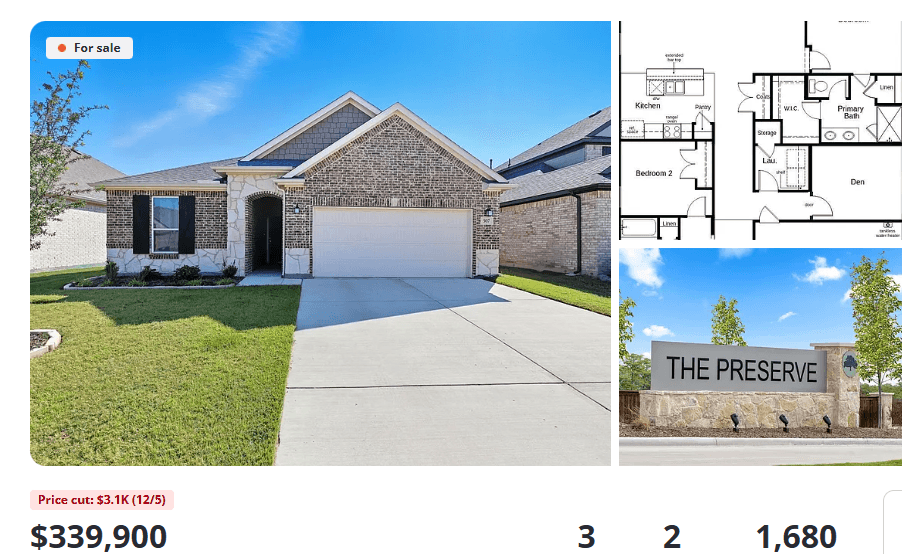
Brother One purchases a 3-bedroom, 2-bath home, approximately 1,700 square feet, listed for $339,900 after it’s been on the market for about three months.
That time on market gives his real estate agent leverage, and they successfully negotiate $5,000 in seller concessions toward closing costs.
Loan & Purchase Details
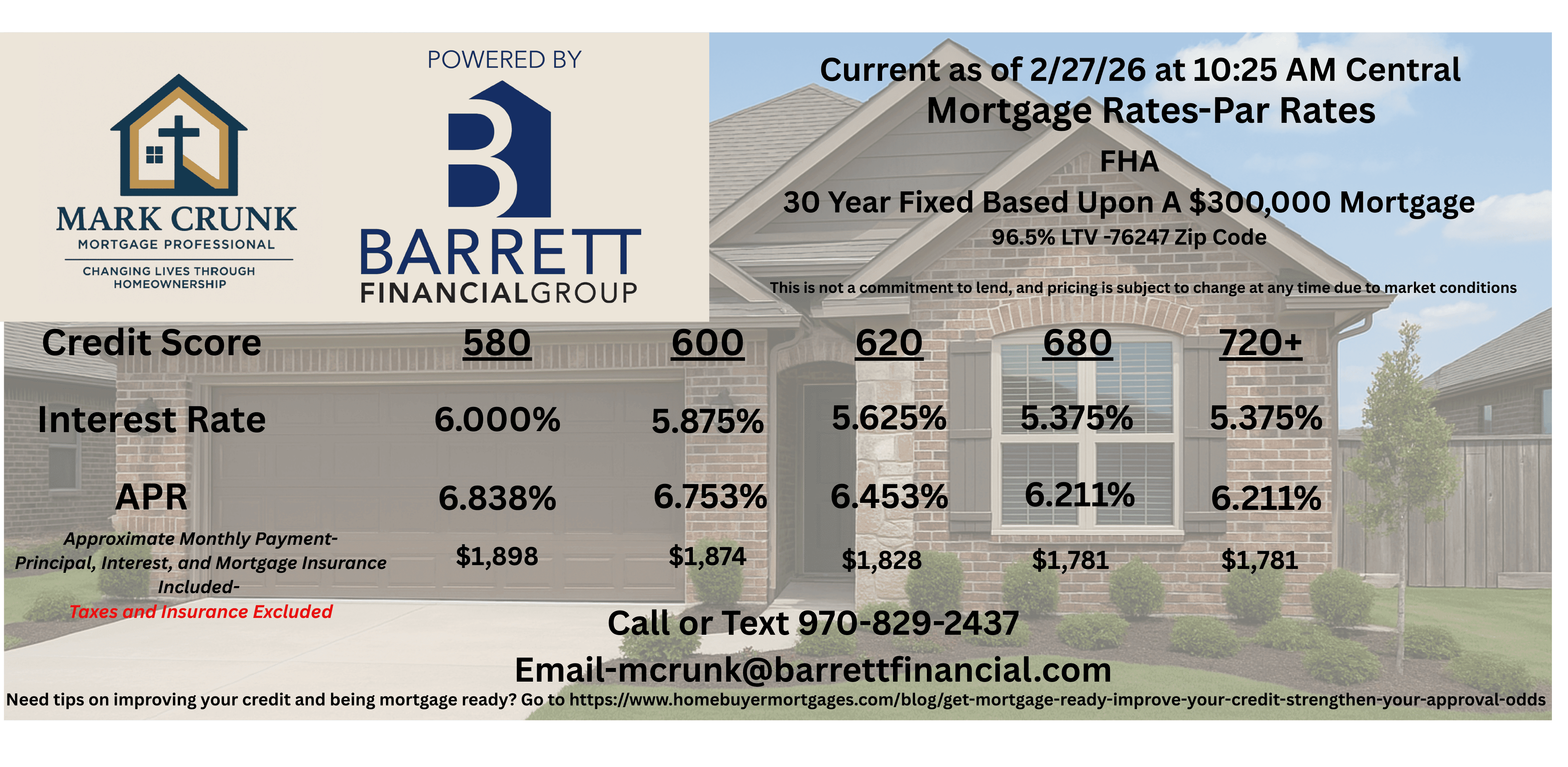
Loan type: FHA 30-year fixed
Credit score: 620
Interest rate: 5.75%
APR: 6.60%
Down payment: 3.5%
Monthly Housing Costs
Principal & Interest: $1,947.64
Property taxes: $380
Homeowners insurance: $300
HOA: $60
Total monthly payment:$2,837.10
Cash Position
Total out-of-pocket: $19,399
Remaining cash: ~$10,600
He invests:
$5,000 into a Roth IRA
$25 per month thereafter
Assumes an 8% long-term return
Brother Two: The Renter-Investor
Brother Two values flexibility.
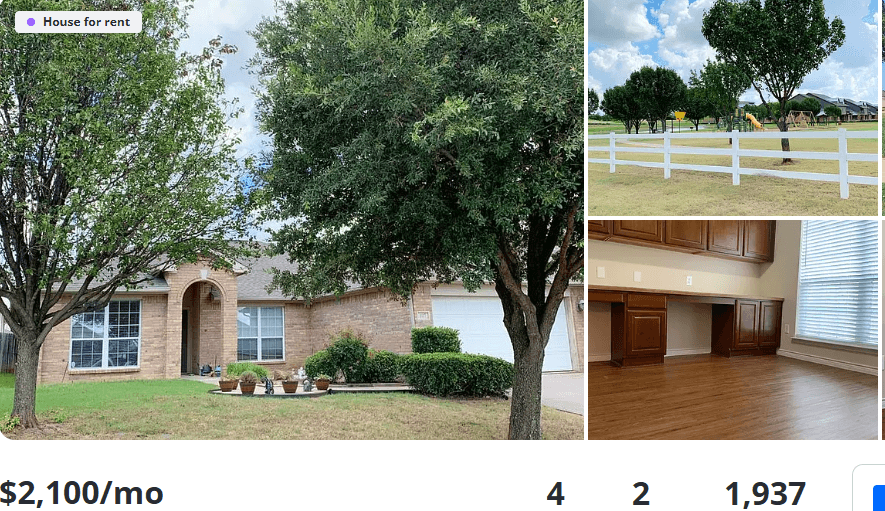
He rents a comparable home in the same neighborhood for $2,100 per month.
Instead of buying, he invests:
$25,000 upfront
$400 per month
Assumes a 9% return
Every five years, he renews or relocates, with rent increasing by $100 per month each time.
After 5 Years
Brother One (Buy) Brother Two (Rent + Invest)
Total Spent (5 yrs)$196,125 $175,000
Net Worth (5 yrs)
$93,735
$69,312
Monthly housing cost at Year 5$2,837 $2,100
| Brother One (Buy) | Brother Two (Rent + Invest) | |
|---|---|---|
Total Spent (5 yrs) | $196,125 | $175,000 |
Net Worth (5 yrs) | $93,735 | $69,312 |
Monthly housing cost at Year 5 | $2,837 | $2,100 |
Difference in spending: $196,125 − $175,000 = $21,125 more spent by Brother One
Thirty Years Later: The Long-Term Impact
Brother One at Year 30 (3% Appreciation)
With 3% annual appreciation, the home’s value grows substantially over time.
Home value: ~$825,000
Mortgage balance: $0 (paid off)
Roth IRA: ~$45,000
Total net worth:~$870,000
Total spent over 30 years:~$1.05 million
At this point, Brother One lives mortgage-free, with only taxes, insurance, and maintenance to manage.
Brother Two at Year 30
Monthly rent: $2,600
Investment portfolio: ~$795,000
Total net worth:~$795,000
Total spent over 30 years:~$1.02 million
Despite investing diligently for decades, Brother Two has no housing asset and must continue paying rising rent.
Years 31–32: Where the Paths Truly Separate
Once the mortgage is gone, Brother One redirects cash flow.
New Strategy
Maxes out his Roth IRA
Invests the remaining surplus into a taxable investment account
Total new investing: $1,500 per month
Assumes an 8% return
At Year 32
Home value (continued 3% growth): ~$875,000
Roth IRA: ~$66,500
Taxable investments: ~$24,000
Total net worth:~$965,500
Brother Two at Year 32
Rent: $2,700 per month
Investment portfolio: ~$820,000
Brother Two still has a strong net worth—but his housing cost never disappears.
What This Scenario Actually Shows
This story isn’t about declaring a winner.
It shows how small differences compound massively over time.
Key takeaways:
Renting can work — but it requires perfect discipline for decades
Homeownership benefits from leverage + appreciation
The biggest wealth acceleration happens after the mortgage is paid off
Rising rent becomes a permanent drag on cash flow
At 3% appreciation, homeownership isn’t just competitive — it becomes a wealth accelerator.
Important Advantages of Homeownership Not Fully Quantified
This hypothetical intentionally stayed conservative. It did not include:
Refinancing opportunities at lower interest rates
Tax advantages of homeownership
Capital gains exclusions on primary residences
Housing stability and freedom from forced moves
Protection from long-term rent inflation
It’s also highly unlikely someone rents the same home for 30 years without disruption.
Important Disclaimer
This scenario is a simplified hypothetical for educational purposes only.
Real life is far messier:
Interest rates change
Refinancing may or may not be available
Property taxes and insurance almost certainly increase
Market downturns were not modeled
Brother Two would need to remain perfectly disciplined for decades
Life events—job changes, family needs, health issues—can interrupt even the best plans
These numbers are not predictions or financial advice, but illustrations of how different choices behave over long periods of time.
Final Thought
The real question isn’t:
“Should I rent or buy?”
It’s:
“Which decision gives me the most control when life inevitably changes?”
For some, that’s flexibility.
For others, it’s stability.
But when appreciation, leverage, and time work together, the math quietly shifts—and staying on the sidelines can become the more expensive choice.
Purchase a Home
Whether you're buying your first home or your dream home, we have a mortgage solution for you. Get your custom rate quote today.
Refinance your Home
We're committed to helping you refinance with the lowest rates and fees in the industry today. Getting started is quick and easy.
Apply Today
Our secure application is a few quick questions that takes about 7-10 minutes to complete and is required for a “Pre-Approval”. Get started today!